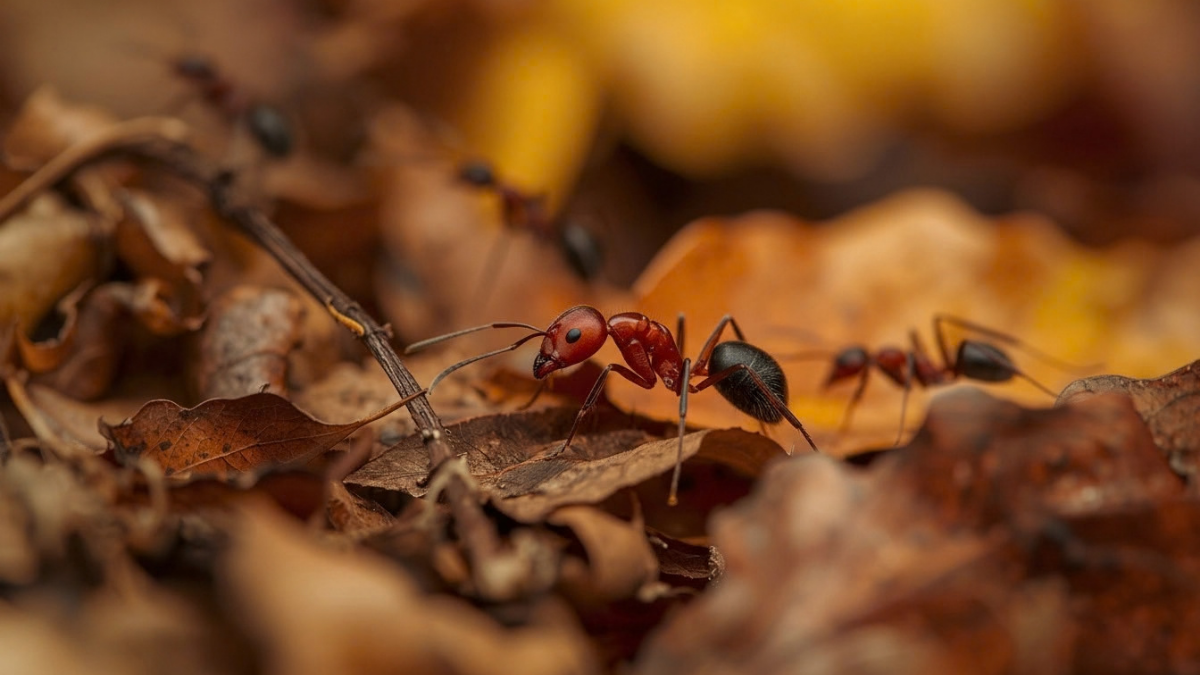
Fall Fire Ant Control: Why Autumn Is the Best Time to Treat
Fall fire ant control is one of the most effective ways to protect large properties, agricultural land, and outdoor operations from costly infestations. Fire ants are more than a seasonal nuisance. They damage equipment, disrupt livestock movement, threaten crops, and create safety concerns for workers and visitors. Because colonies are resilient and quick to rebound, timing your treatment strategy matters.
Why Fall Fire Ant Treatment Works
While many people associate fire ant activity with spring, fall is actually a strategic window for control. By autumn, colonies have already spent the summer expanding underground. As temperatures cool, fire ants begin foraging more actively to prepare for winter, which makes bait treatments far more effective.
When daytime temperatures drop below 70°F, ants are more likely to collect bait and carry it back to the colony. This is especially valuable because the goal is not just to treat visible mounds, but to impact the entire colony, including the queen. Treating in fall gives you a chance to reduce population strength before spring swarming begins.
Choose the Right Fire Ant Bait
Selecting the right product is key to successful fire ant management. Two proven options for fall fire ant treatment are Extinguish® Professional Fire Ant Bait and Extinguish® Plus.
Extinguish® Professional Fire Ant Bait is an insect growth regulator (IGR)-based solution that disrupts colony development and helps prevent rebound. Its active ingredient, (S)-methoprene, works to stop the colony from recovering, making it a strong option for long-term fire ant control.
Extinguish® Plus combines an adulticide with an IGR. That means it delivers a dual-action approach: the adulticide begins killing worker ants after ingestion, while the IGR limits the queen’s ability to produce new workers. This makes it a practical option for managers who want both faster knockdown and longer-lasting suppression.
Applying Fire Ant Treatment Strategically
For the best results, apply fire ant bait when conditions support active foraging. Dry ground and no rain forecast for at least 24 hours will help preserve the treatment. Early morning or late afternoon applications are often ideal because ants are most active during those times.
Avoid disturbing mounds before treatment, since this can cause ants to relocate and reduce bait effectiveness. For large properties, a broadcast spreader can help ensure more even coverage and better overall control.
Plan Fire Ant Control for the Long Term
Fire ant control should be part of a year-round management plan, not a one-time response. Fall treatments help lower colony pressure before spring, which can reduce the chance of explosive infestations later. With advanced planning, you can protect your property, equipment, livestock, and employees from fire ant problems before they spread.
A proactive fall fire ant treatment strategy helps you stay ahead of the infestation cycle and supports better results throughout the year.
Fall Fire Ant Treatment Checklist
- Survey the property for active mounds and high-risk areas
- Focus on open, sunny spaces, livestock paths, equipment areas, turf, and crop zones
- Plan treatment for fall, when temperatures drop and fire ants are actively foraging
- Confirm soil is dry and no rain is expected within the next 24 hours.
- Apply when ants are active, ideally in early morning or late afternoon
- Use a broadcast approach for broad coverage on large properties
- Consider Extinguish® Professional Fire Ant Bait for IGR-based long-term control
- Consider Extinguish® Plus for dual-action control with an adulticide and IGR
- Apply bait uniformly around mounds or across treatment areas as directed
- Do not disturb mounds before or during application
- Avoid irrigation for 24 hours after treatment
- Recheck treated areas regularly for renewed activity
- Build fall treatment into your annual fire ant management plan
* Reassess each season and adjust treatment timing as needed
For more information on our full product line, contact your local ag retailer in your area today. Follow us on Facebook and X for updates and insights!
X - @extinguishcls
Facebook -- Extinguish Fire Ants